Fashion & Style
The Tactile Dimension: Exploring Fabric Hand and Feel for a Refined Wardrobe
Beyond visual appeal, understanding how textiles feel against the skin and drape on the body is crucial for building a truly timeless and comfortable personal style.
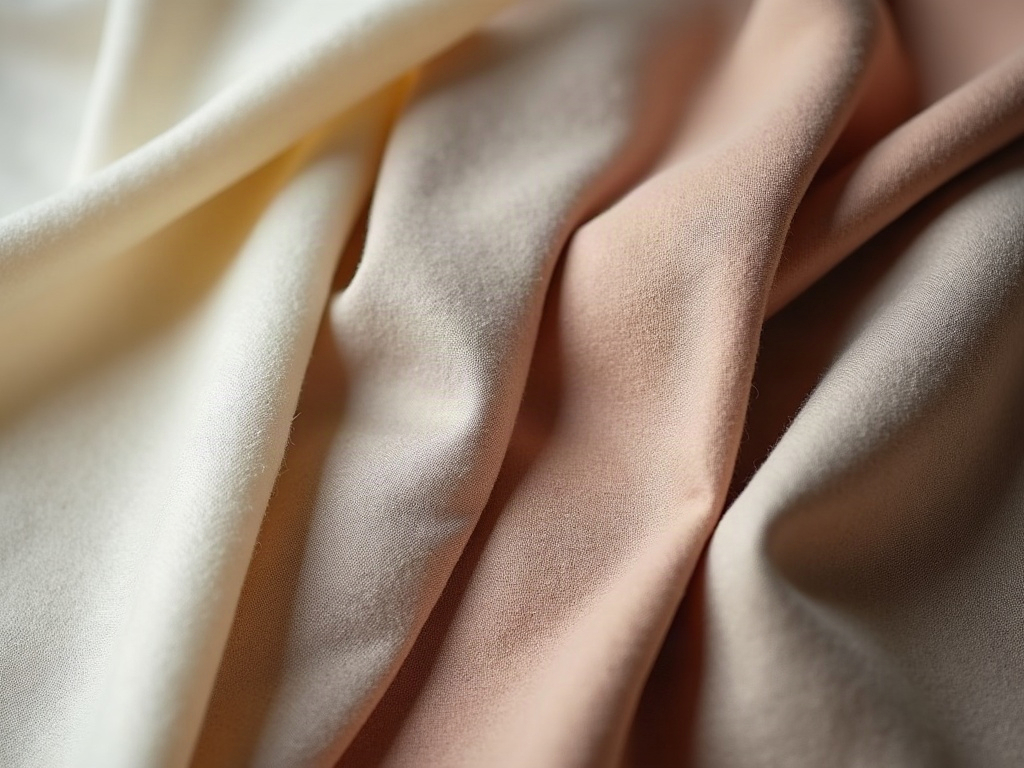
In the pursuit of a refined and timeless personal style, much emphasis is rightly placed on silhouette, color, and visual aesthetics. We consider how a garment looks, how it complements our figure, and how its color integrates into our existing wardrobe. Yet, a crucial, often subconscious, element profoundly influences our perception and comfort: the hand and feel of a fabric.
This tactile dimension extends beyond what the eye can see, delving into how a material interacts with our skin, how it moves, and how it communicates its inherent quality. Understanding and prioritizing fabric hand and feel is not merely a detail; it is a fundamental aspect of building a truly intentional wardrobe that offers both lasting elegance and unparalleled comfort.
What is "Hand and Feel" in Textiles?
"Hand and feel" refers to the sensory properties of a fabric when it is touched and handled. It encompasses a range of characteristics that contribute to the overall tactile experience of a textile, influencing both its aesthetic appeal and its practical comfort.
Defining the Sensory Experience
When we describe a fabric's hand, we're talking about its softness, smoothness, crispness, resilience, elasticity, warmth, coolness, and even its weight and thickness. These qualities are a direct result of the fiber type, yarn construction, weaving or knitting pattern, and any finishing treatments applied to the fabric. A crisp linen shirt, a flowing silk dress, or a soft cashmere sweater each possess a distinctive hand that defines its character and suitability for different garments and occasions.
Beyond Visuals: The Unseen Qualities
While visual appeal draws us in, it's the unseen, tactile qualities that often determine our long-term satisfaction with a piece of clothing. A garment might look beautiful on a hanger, but if the fabric feels scratchy, stiff, or uncomfortable against the skin, it is unlikely to become a cherished part of a refined wardrobe. The hand of a fabric contributes to its drape, how it falls and moves with the body, which is a critical component of elegance.
Why Tactile Qualities Matter for Timeless Style
For those cultivating a timeless wardrobe, the hand and feel of a fabric are paramount. These qualities directly impact comfort, confidence, and the perceived value of a garment.
Comfort as the Foundation of Confidence
True style is never at the expense of comfort. When a fabric feels pleasant against the skin, it allows for ease of movement and reduces distraction, enabling us to carry ourselves with greater confidence. A garment made from a high-quality, comfortable fabric is one we are more likely to reach for repeatedly, integrating seamlessly into our daily lives and becoming a true wardrobe staple.
The Art of Drape and Movement
The way a fabric drapes and moves is intrinsic to its hand. A fabric with excellent drape, like a fine silk or a well-milled wool, will flow elegantly with the body's contours, creating flattering silhouettes. Conversely, a fabric with more body and crispness, such as a structured cotton or a heavy linen, will hold its shape, lending a tailored and architectural quality to a garment. Understanding these nuances allows for intentional choices that align with the desired aesthetic and personal expression.
Longevity and Perceived Quality
Often, fabrics with a superior hand are also those that signify higher quality and greater durability. Natural fibers like cashmere, merino wool, silk, and high-quality cotton, when properly constructed, offer a luxurious feel that withstands the test of time. Investing in pieces with a superior hand often means investing in garments that will age gracefully, maintaining their integrity and comfort over many years.
Key Elements of Fabric Hand to Consider
When evaluating a garment, consciously consider these specific aspects of its tactile quality:
Softness and Smoothness
Does the fabric feel gentle and smooth against your skin? This is often a hallmark of fine fibers and well-finished textiles, contributing significantly to comfort, especially for items worn close to the body like shirts, sweaters, and linings.
Crispness and Structure
Does the fabric hold its shape or have a certain stiffness? Crispness is desirable in tailored garments, structured outerwear, or pieces where a defined silhouette is key. It speaks to the fabric's ability to maintain form.
Resilience and Recovery
How does the fabric spring back after being crumpled or stretched? Good resilience indicates that a garment will resist wrinkling and maintain its shape through wear, a vital characteristic for busy lifestyles and travel.
Warmth or Coolness
Does the fabric feel inherently warm (like wool or cashmere) or cool (like linen or some silks)? This property dictates seasonal suitability and contributes to overall comfort in different climates. A timeless wardrobe considers how fabrics perform across various conditions.
How to Cultivate Your Fabric Discernment
Developing an eye for quality extends to developing a hand for quality. Here’s how to refine your tactile discernment:
Engage Your Senses: The Touch Test
Before purchasing, always touch the fabric. Close your eyes and focus on how it feels. Does it feel luxurious, scratchy, smooth, coarse, soft, or stiff? Does it feel substantial or flimsy? Pay attention to the drape when you hold it up. These immediate sensory inputs are invaluable indicators of a garment's true character.
Read Labels and Understand Compositions
Fabric composition provides clues about its potential hand and performance. Familiarize yourself with the characteristics of different fibers—the warmth of wool, the breathability of cotton, the sheen of silk, the crispness of linen. Understanding blends can also help you anticipate how a fabric will feel and wear.
Observe How Garments Wear and Age
Pay attention to how your existing clothes feel over time. Which fabrics retain their hand and comfort after multiple washes? Which ones pill, stretch, or become less pleasant? This experiential learning will deepen your understanding of what constitutes enduring quality and comfort.
The Unseen Foundation of Enduring Style
By consciously integrating the consideration of fabric hand and feel into your wardrobe decisions, you move beyond superficial aesthetics to a more profound understanding of garment quality and personal comfort. This discerning approach ensures that each piece you acquire not only looks exceptional but also feels wonderful to wear, contributing to a truly refined, comfortable, and enduring personal style. It's an investment in the daily experience of dressing, making your wardrobe a source of quiet confidence and genuine pleasure.