Personal Style
Crafting Your Style Ethos: Developing a Personal Style Philosophy
Move beyond fleeting trends to build a coherent, authentic, and enduring personal aesthetic.
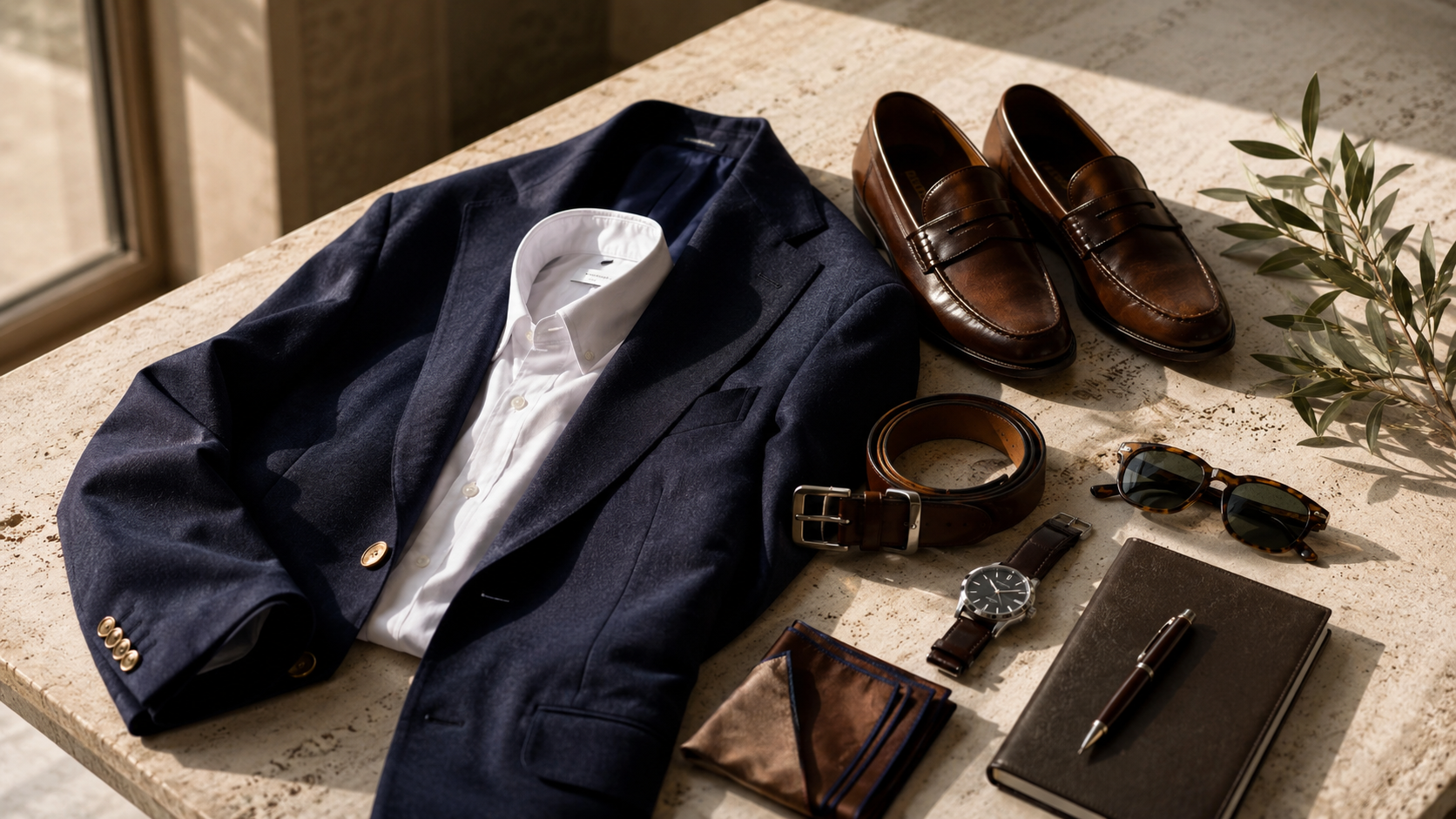
In a world saturated with fleeting fashion trends and endless sartorial inspiration, it's easy to feel adrift. One season champions minimalism, the next maximalism; one year dictates bold colors, the next muted tones. While engaging with new ideas can be exciting, true, enduring style stems not from following every new dictate, but from an internal compass: a personal style philosophy.
Developing a personal style philosophy is the intentional process of understanding what truly resonates with you, what aligns with your lifestyle, and what communicates your authentic self through your clothing choices. It's about creating a coherent framework that guides your decisions, ensuring your wardrobe serves you rather than the other way around. This isn't about rigid rules, but about principled intention.
Beyond Trends: The Foundation of Intentional Style
Before you can articulate your style philosophy, it's essential to look inward. Trends offer external direction; a philosophy provides internal clarity. This introspection forms the bedrock of an intentional wardrobe.
Understanding Your Core Values and Lifestyle
Your clothing is a reflection of your life. Consider your daily activities, your professional environment, your social engagements, and even your aspirations. Are you an entrepreneur who values versatility and comfort? A creative professional who embraces unique textures? Someone who prioritizes sustainability and longevity? Your values — be they practicality, creativity, comfort, or elegance — should manifest in your wardrobe. A philosophy rooted in your lifestyle ensures your clothes are not just beautiful, but functional and meaningful.
Identifying Your Aesthetic Archetypes
While avoiding rigid labels, understanding broad aesthetic archetypes can be a helpful starting point. Do you gravitate towards classic silhouettes, modern minimalism, understated elegance, or a more rugged, utilitarian look? These aren't trends to copy, but lenses through which to view clothing. For instance, someone drawn to 'classic elegance' might prioritize tailored pieces, natural fibers, and a restrained color palette, adapting these elements to their modern context. This helps in recognizing patterns in what you truly admire and feel good wearing.
Cultivating Discernment: What Truly Resonates?
Developing a philosophy requires discernment—the ability to judge well. This means moving beyond passive consumption to active appreciation and critical evaluation.
The Power of Observation and Self-Reflection
Pay attention to how different garments make you feel. Which outfits instill confidence? Which pieces do you reach for repeatedly? What colors brighten your complexion or mood? Conversely, what items sit unworn, purchased on impulse or because they were 'in style'? Keep a mental or physical record of what works and why. This self-reflection is crucial for understanding your unique preferences and comfort zones.
Learning from Inspiration, Not Imitation
Seek inspiration from diverse sources: art, architecture, nature, and individuals whose style you admire. Analyze what it is about their aesthetic that appeals to you – is it a specific color combination, a way of layering, the use of texture, or a general sense of effortless confidence? The goal isn't to copy, but to distill principles and ideas that can be reinterpreted through your own lens. This process helps you identify recurring themes that can inform your unique philosophy.
Building Your Style Blueprint: Principles Over Prescriptions
Once you have a deeper understanding of your values and preferences, you can begin to articulate the guiding principles of your personal style.
Defining Your Personal Style Non-Negotiables
What are the absolute essentials for your wardrobe? This might include a commitment to proper fit, a preference for natural fabrics, a specific color palette that flatters you, or a comfort requirement. These non-negotiables act as filters, streamlining your purchasing decisions and ensuring every addition to your wardrobe aligns with your core philosophy. For example, if 'comfort' is a non-negotiable, you might prioritize soft, breathable fabrics and flexible silhouettes, even within a formal context.
Creating a Cohesive Narrative
Your wardrobe should tell a consistent story about you. Each piece, while capable of standing alone, should also harmonize with others to create a cohesive collection. This doesn't mean everything must match perfectly, but rather that there's an underlying thread—a consistent mood, quality, or aesthetic—that ties it all together. This narrative builds a signature style that is instantly recognizable as yours, rather than a collection of disparate items.
The Evolution of a Personal Philosophy
A personal style philosophy is not static. It's a living document that evolves as you do. As your life changes, as you learn more about yourself, and as your tastes mature, so too will your style philosophy.
Embracing Experimentation and Refinement
Be open to gentle experimentation. Trying new silhouettes or color combinations, within the bounds of your established principles, can lead to fresh discoveries. Each experiment, successful or not, refines your understanding of what truly works for you. This iterative process of trying, reflecting, and adjusting is key to a dynamic and authentic style.
The Long-Term Value of Intentionality
Investing time in crafting a personal style philosophy ultimately saves you time, money, and mental energy. It minimizes impulse purchases, reduces wardrobe clutter, and fosters a deeper appreciation for the clothes you own. More importantly, it cultivates a sense of confidence and authenticity that transcends fashion trends, allowing you to present yourself to the world with genuine intention and timeless elegance.